
2026.01.19
- SLOW

- 1월 19일
- 4분 분량
Oil prices edge higher as traders cover shorts ahead of U.S. holiday
Oil prices settled higher on Friday as investors covered short positions ahead of the U.S. Martin Luther King Jr. holiday weekend and amid lingering concerns about potential U.S. military action involving Iran. Brent crude closed at $64.13 a barrel, up 0.58%, while WTI ended at $59.44, up 0.42%. Analysts said much of the gain reflected precautionary buying before the long weekend rather than expectations of an imminent escalation, despite a U.S. carrier moving toward the Persian Gulf. Fears of supply disruptions, including a possible blockade of the Strait of Hormuz, were tempered by expectations of higher global supply and easing tensions. With ample supply and uncertain demand growth, analysts expect oil prices to remain range-bound in the near term.
![[SLOW] Oil Market Benchmarks WTI, Oman, and Brent](https://static.wixstatic.com/media/e9c525_b646aae9622e44e09283bd9da5219f5d~mv2.png/v1/fill/w_980,h_964,al_c,q_90,usm_0.66_1.00_0.01,enc_avif,quality_auto/e9c525_b646aae9622e44e09283bd9da5219f5d~mv2.png)
___________________________________
Khamenei Acknowledges Thousands Killed as Iran Protests Continue Under Internet Blackout
Iran’s Supreme Leader Ayatollah Ali Khamenei said “several thousand people” were killed during this month’s anti-government protests, broadly matching estimates from human rights groups. He blamed the US and Israel for the violence and said Iran would not seek war but would punish those responsible. The unrest has been accompanied by a near-total internet shutdown imposed on Jan. 8, with connectivity still around 2% of normal despite limited restoration of some services. Monitoring groups say the blackout has surpassed the scale of Iran’s 2019 shutdown.

___________________________________
US moves to widen Chevron’s Venezuela license, enabling cash payments and higher exports
The United States is moving quickly to expand Chevron’s Venezuela license, allowing the company to pay taxes and royalties in cash rather than crude and thereby sell all the oil it produces in the country, according to Energy Secretary Chris Wright. The change would significantly increase Chevron’s export volumes, which have been limited under the current license by in-kind payments to the Venezuelan government. The Trump administration is accelerating efforts to revive Venezuela’s oil sector following the removal of Nicolas Maduro, with Chevron expected to receive broader production and export permissions soon. Wright also said the US is now marketing Venezuelan oil at much better prices than before, lifting realized values from about $31 per barrel to roughly $45 per barrel. Proceeds from these oil sales are being held in US-controlled Qatari bank accounts as a pragmatic workaround to sanctions and banking constraints.

___________________________________
Devon and Coterra in Early Talks on Merger That Could Create Major US Shale Producer
Devon Energy and Coterra Energy are in early-stage talks over a potential merger that could create one of the largest independent U.S. shale producers, according to sources. The discussions come as oil prices face pressure from a near-term global supply glut and expectations of increased output, including from Venezuela. Any deal is not guaranteed, but a combination would be one of the biggest U.S. energy mergers in recent years, with Devon valued at about $24 billion and Coterra at around $20 billion. Consolidation could offer cost savings, economies of scale and access to additional resources as prime shale acreage becomes scarcer. Both companies have overlapping operations in the Permian and Anadarko basins, while Devon also operates in Eagle Ford and Williston and Coterra has a strong footprint in Appalachia.

___________________________________
Drone Attacks and Weather Disruptions Pressure CPC Blend Prices
Offer prices for Caspian CPC Blend crude fell sharply this week as drone strikes in the Black Sea and adverse weather continued to disrupt exports. ExxonMobil withdrew a cargo offer after cutting the discount to dated Brent from 40 cents to $1.35 a barrel without attracting buyers. Kazakhstan has urged the US and Europe to help secure shipments after multiple tankers, including one chartered by Chevron, were hit by drones. Additional risks and costs are weighing on the grade, even though buyers have not formally suspended purchases. Export constraints persist as CPC is loading via only one operational mooring, with others offline due to drone damage and delayed maintenance. Kazakh oil exports via the CPC fell 24% month on month in December to about 3.98 million metric tons, or roughly 1.02 million bpd.

___________________________________
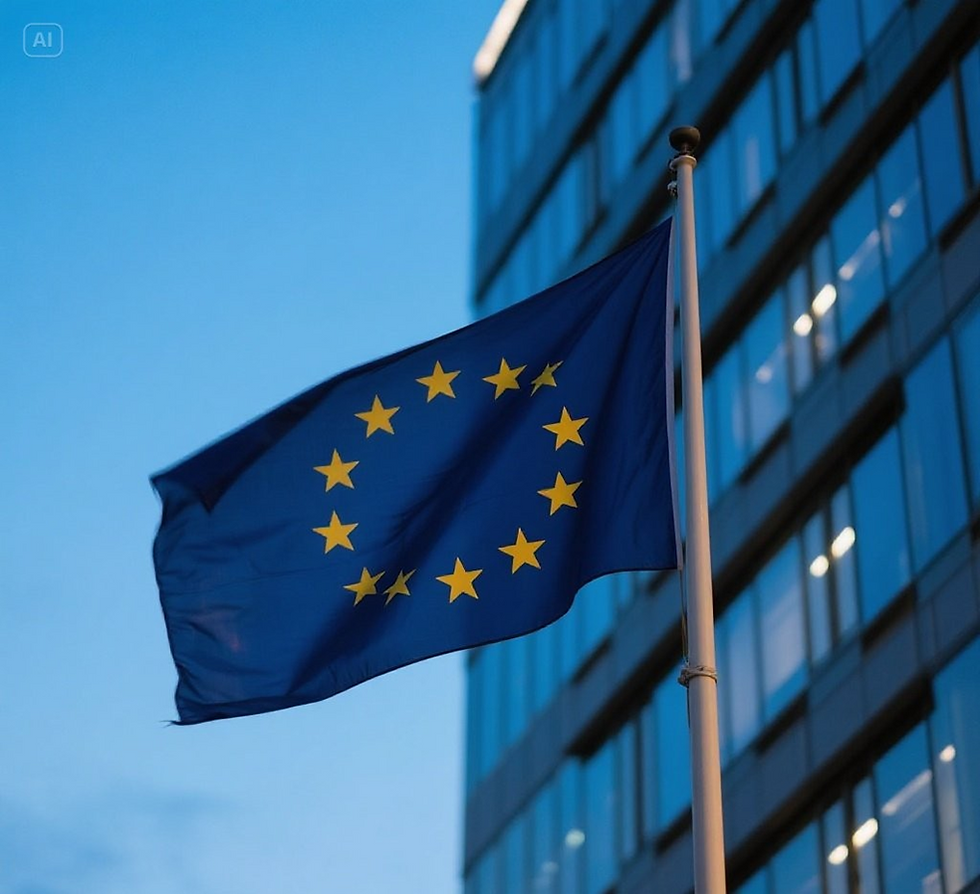
EU Pushes ‘Made in Europe’ Strategy to Revive Struggling Industry
The European Union plans to propose new “Made in Europe” rules to prioritize local companies in major investments and public procurement. Foreign investments over €100 million would face conditions such as technology sharing, local hiring, and partnerships with European firms, while public purchases would require minimum EU-origin content. The initiative aims to address industrial decline caused by high energy costs, supply chain disruptions, and rising competition from China. The draft also includes measures like stockpiling critical raw materials and fast-tracking industrial projects. However, the plan has triggered internal debate, with some EU officials warning against excessive protectionism.
___________________________________
Chevron-led Leviathan expansion to lift Israel’s gas output and regional exports
Chevron and its partners have approved a $2.36 billion expansion of Israel’s Leviathan gas field that will raise annual production by 9 bcm to about 21 bcm, significantly boosting supplies to Egypt and potentially Europe via LNG. The project will increase Israel’s total gas output by more than 25% and is scheduled to come online in 2029. Leviathan, one of the Eastern Mediterranean’s largest gas fields with an estimated 635 bcm of recoverable reserves, is expected to generate more than $35 billion in gas sales over time. The expansion reflects Egypt’s growing reliance on Israeli gas after its own production declined, curbing its ambitions to be a regional hub. Leviathan is operated by Chevron Mediterranean with a 39.66% stake, alongside NewMed Energy and Ratio Energies, whose shares rose on the announcement.
![[SLOW] https://slowspace.io/ Flow Leviathan Natural Gas Field](https://static.wixstatic.com/media/e9c525_26af2382651c4daa81f60386e431f965~mv2.png/v1/fill/w_980,h_924,al_c,q_90,usm_0.66_1.00_0.01,enc_avif,quality_auto/e9c525_26af2382651c4daa81f60386e431f965~mv2.png)


댓글